
Writing SEO Content That Connects
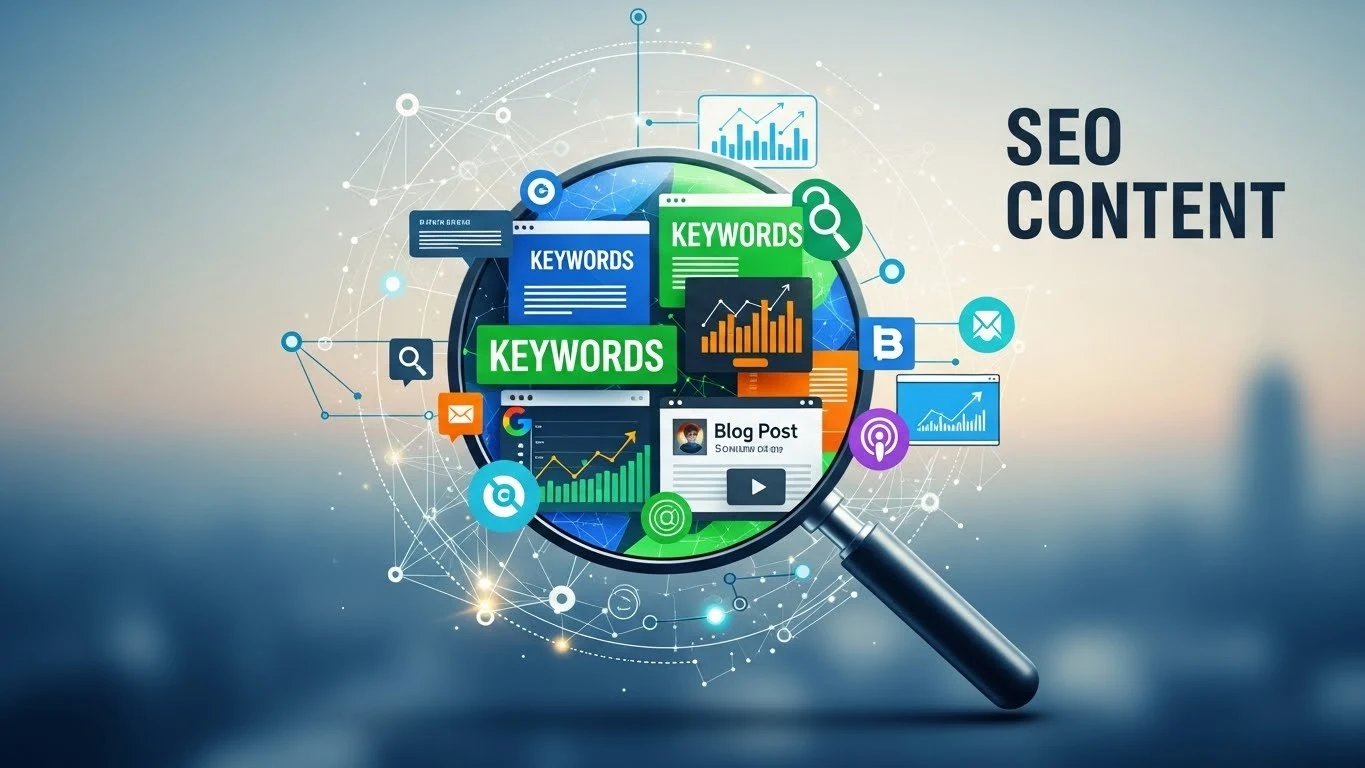
Creating content that truly resonates with an audience goes beyond simply filling a page with keywords. It requires understanding the needs, interests, and behaviors of your readers while presenting information in a clear, engaging, and accessible manner. Quality content not only captures attention but also builds trust, encourages interaction, and helps establish a brand’s authority in its field. This approach ensures that content remains relevant over time, fostering ongoing engagement rather than fleeting clicks.
For businesses and brands seeking tangible results in engagement, ranking, or lead generation, Victorious SEO content writing provides process-driven expertise and custom solutions that align with today’s standards and future-proof your digital assets as algorithms and best practices evolve. Integrating SEO considerations from the start—such as user intent, semantic relevance, and readability—ensures that content performs effectively in search engines while still offering genuine value to readers. Striking this balance is crucial for creating content that resonates, educates, and yields lasting results.
Understanding Search Intent
Understanding search intent is a cornerstone of creating content that genuinely connects with your audience. At its core, search intent refers to the underlying purpose behind a user’s query—whether they are looking to learn something, make a purchase, find a specific website, or compare options. Recognizing these intentions enables content creators to tailor their messaging, format, and structure to meet users’ expectations effectively.
There are generally three types of search intent: informational, transactional, and navigational. Informational intent focuses on users seeking knowledge or answers, transactional intent involves users ready to take action or make a purchase, and navigational intent pertains to users trying to reach a particular site. Aligning content with these intents improves user experience and search engine performance. Incorporating strategies such as keyword research, semantic relevance, and user-focused writing ensures that content not only attracts clicks but also delivers meaningful value, making it a vital component of any content strategy.
Strategic Keyword Integration
The foundation of effective on-page SEO involves thorough keyword targeting and the integration of context-aware content. Begin by identifying primary keywords for your topic and incorporating them into key areas, such as titles, headings, and meta tags. Supplement these with semantically related terms (LSI keywords) throughout your content. While optimizing for high-competition keywords is tempting, prioritize readability; your aim should be to engage readers, not just search engines.
Avoid keyword stuffing, as it can lead to penalties and diminish content quality. Instead, focus on natural integration, ensuring each keyword fits the context. Utilize advanced SEO tools, such as SEMrush or Ahrefs, to track keyword usage and prevent oversaturation. Strive for balance: varied vocabulary engages readers and signals depth to search algorithms.
Effective Linking Strategies
Thoughtful linking—both internal and external—is a hallmark of authoritative, helpful SEO content. Internal links, which guide users to related pages within your own site, enhance the user experience by making it easy for visitors to discover deeper and complementary insights. Such links also improve session duration and page views, signaling positive engagement metrics to search engines. Moreover, a robust internal linking structure enables bots to crawl your content efficiently, connecting new articles with cornerstone content to build holistic topical clusters and strengthen overall authority.
External link-building should focus on connecting your readers to recognized, trustworthy sources—think major news outlets, established educational institutions, or leading industry experts. Citing these reputable sources not only builds user trust but also adds context and depth to your content. For instance, referencing widely recognized authorities, like Search Engine Land’s SEO guide, can enhance the credibility of your points on complex or controversial SEO topics. Consider including a mix of sources, ensuring that any external links genuinely add value, further your narrative, and avoid linking to competitors. Over time, these habits reinforce both your site’s integrity and its SEO value.
Structuring Content for Readability
Effective content structure is crucial for optimizing SEO and providing an engaging reading experience. Organize your content with descriptive headings (H2s and H3s) to help readers and search engines quickly identify the main topics. Use bulleted or numbered lists to highlight key points and keep paragraphs short for better readability.
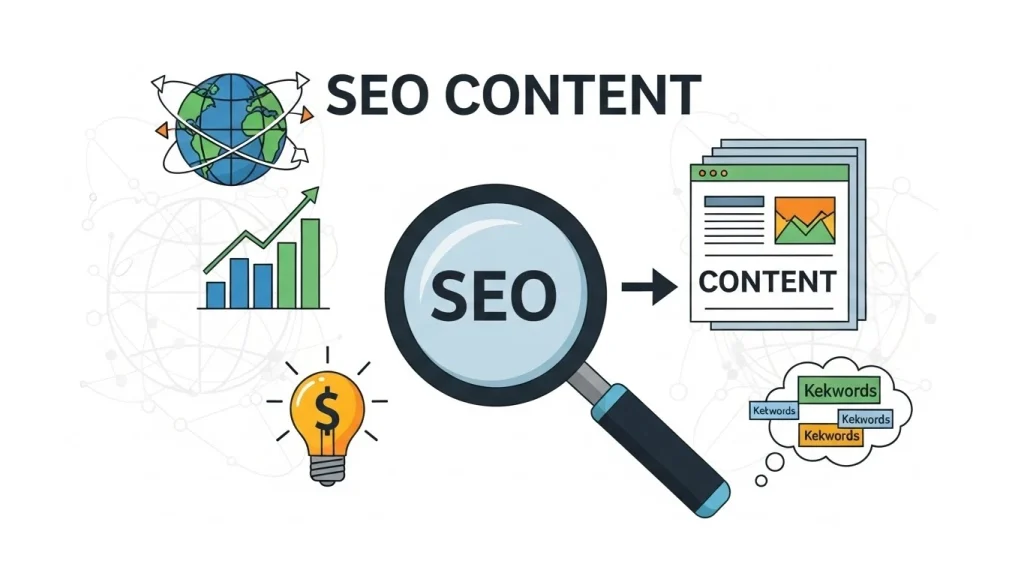
Incorporate visuals—like images, infographics, or videos—to enhance the content and provide alternative ways to engage. Remember to optimize these with informative captions and alt-text for accessibility and SEO benefits. Well-structured content enhances search engine optimization, increases the likelihood of ranking well, and fosters deeper user engagement.
Keeping Content Updated
Stale or outdated content can quickly erode your site’s authority, diminish reader trust, and lead to ranking declines, especially in niches where accurate and current information is crucial. To prevent this, establish a routine for reviewing and refreshing articles—update any outdated statistics, revise recommendations to match new industry standards, and restructure underperforming posts. Modern SEO is dynamic by nature, and search engines reward sites that stay active and authoritative with better rankings and more frequent crawling.
Conducting periodic audits allows you to pinpoint older articles or resources that may be losing traction and gives you the chance to improve them. Consider refreshing headlines, updating metadata, replacing broken links, and targeting new or emerging keywords as trends evolve. This ongoing maintenance strategy not only breathes new life into top-performing evergreen content but also helps avoid sharp drops in organic traffic due to outdated or irrelevant information.
Conclusion
SEO content that truly connects is the result of strategic research, an in-depth understanding of your audience, and a commitment to providing consistently helpful and accurate information. By blending a conversational tone, effective keyword practices, robust linking, clear structure, and a proactive update schedule, your site can reliably attract and retain both casual visitors and dedicated readers—securing your place as a trusted, high-performing resource in competitive search results. Implement these best practices not just for smoother rankings, but to create genuinely impactful digital experiences for every audience member who visits your site.